
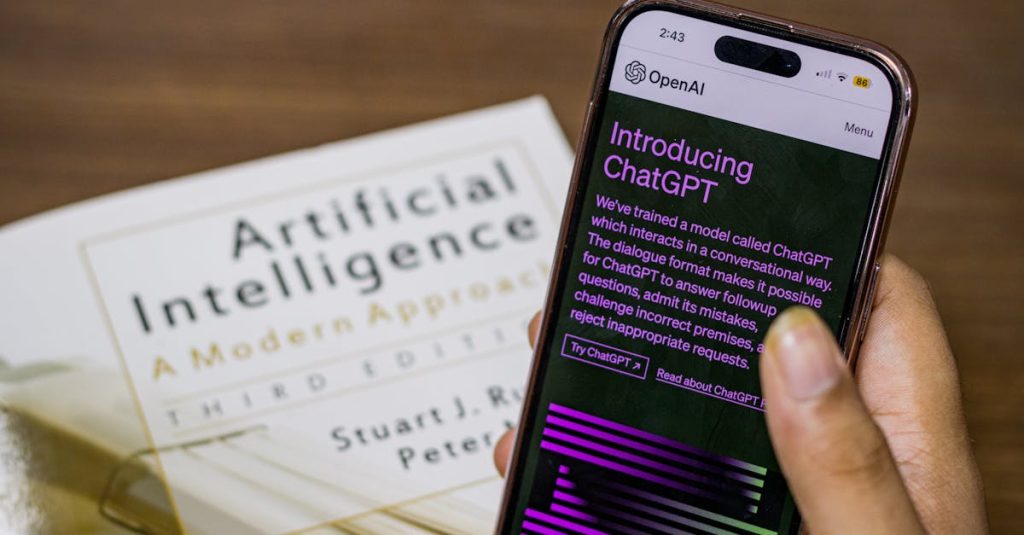
Effect of AI on Digital Marketing: How Artificial Intelligence is Transforming the Marketing Landscape
Artificial Intelligence (AI) is no longer a futuristic concept—it is now at the core of modern digital marketing. From personalized customer experiences to predictive analytics, AI is reshaping how businesses connect with their audience, optimize campaigns, and drive growth. In today’s competitive online environment, leveraging AI is not just an advantage; it has become a necessity.
1. Personalized Customer Experience
One of the biggest impacts of AI in digital marketing is hyper-personalization. AI analyzes user behavior, preferences, and browsing patterns to deliver tailored content and recommendations. Platforms like e-commerce websites and streaming services use AI algorithms to suggest products or content based on user history.
For marketers, this means:
- Higher engagement rates
- Better customer satisfaction
- Increased conversion rates
Personalized emails, product suggestions, and dynamic website content help businesses create meaningful connections with their audience.
2. Smarter Data Analysis & Insights
Digital marketing generates massive amounts of data. AI tools can process and analyze this data in real time, helping marketers make data-driven decisions. Instead of guessing what works, AI provides actionable insights.
Key benefits include:
- Identifying customer trends
- Predicting buying behavior
- Optimizing marketing strategies
Predictive analytics allows businesses to anticipate customer needs even before they express them.
3. Chatbots & Customer Support Automation
AI-powered chatbots have transformed customer service. They provide instant responses, handle queries 24/7, and improve user experience without human intervention.
Advantages of chatbots:
- Reduced response time
- Lower operational costs
- Improved customer satisfaction
Chatbots can also guide users through the sales funnel, increasing the chances of conversion.
4. Content Creation & Optimization
AI tools are now capable of generating content, including blog posts, social media captions, and ad copy. While human creativity remains essential, AI helps speed up the process and ensures optimization.
AI helps in:
- Keyword research and SEO optimization
- Content suggestions based on trends
- Automated content generation
This allows marketers to focus more on strategy and creativity rather than repetitive tasks.
5. Enhanced Advertising & Targeting
AI has significantly improved digital advertising. Platforms like Google Ads and social media use AI to optimize ad placements, targeting, and bidding strategies.
With AI, marketers can:
- Target the right audience more accurately
- Reduce ad spend wastage
- Improve ROI (Return on Investment)
AI ensures that ads reach users who are most likely to convert, making campaigns more effective.
6. Voice Search & AI Assistants
With the rise of voice assistants, voice search is becoming increasingly popular. AI enables devices to understand natural language, which is changing how people search online.
Marketers need to:
- Optimize content for voice search
- Focus on conversational keywords
- Adapt SEO strategies accordingly
This shift is opening new opportunities for businesses to reach customers.
7. Marketing Automation
AI-driven automation tools streamline repetitive marketing tasks such as email campaigns, social media posting, and customer segmentation.
Benefits include:
- Time-saving processes
- Consistent communication
- Improved campaign efficiency
Automation allows businesses to scale their marketing efforts without increasing workload.
8. Better Decision-Making
AI reduces human error and enhances decision-making by providing accurate insights. Marketers can test different strategies, analyze performance, and make improvements quickly.
This leads to:
- Faster campaign optimization
- Better budget allocation
- Higher overall performance
Challenges of AI in Digital Marketing
While AI offers numerous benefits, it also comes with challenges:
- Data privacy concerns
- Dependence on technology
- Lack of human touch in some interactions
Businesses must find the right balance between automation and human creativity.
Conclusion
Artificial Intelligence is revolutionizing digital marketing by making it smarter, faster, and more efficient. From personalized experiences to advanced analytics and automation, AI is transforming every aspect of the marketing landscape.
For businesses, especially in competitive markets, adopting AI-driven strategies is crucial for staying ahead. However, the key to success lies in combining AI capabilities with human creativity and strategic thinking.
As AI continues to evolve, the future of digital marketing will become even more dynamic, offering endless opportunities for growth and innovation.